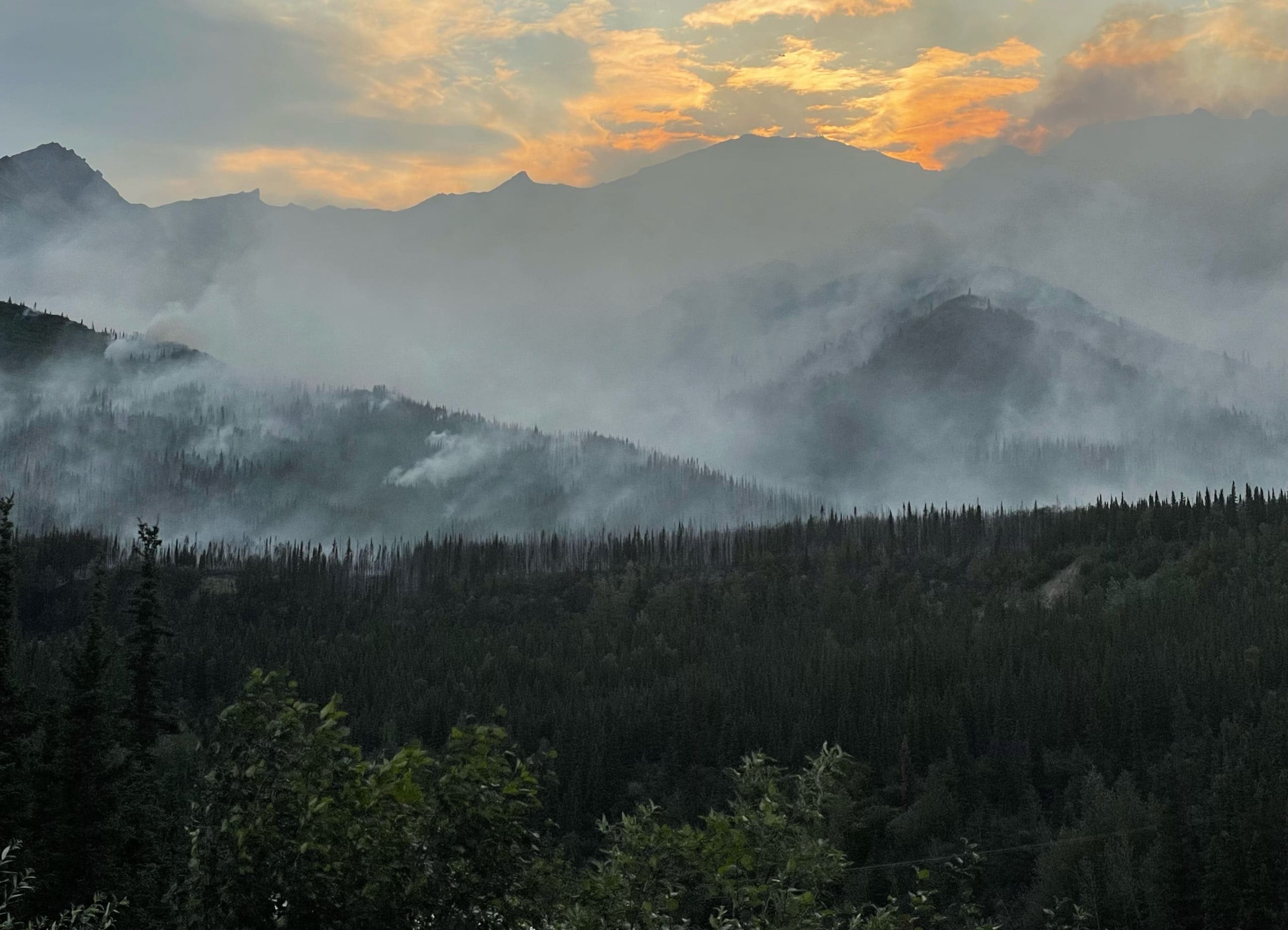
Together, we’re building Alaska’s wildfire resilience.
Fire Adapted Alaska is a statewide initiative equipping Alaskans with the tools, knowledge and partnerships to mitigate and adapt to Alaska’s increasing wildfire landscapes.
Wildfires in Alaska Impact the Globe
The Arctic is warming nearly 4 times faster than the rest of the world. Increasing temperatures in Alaska are leading to increasing wildfire acres burned, which is increasing vulnerable permafrost loss, which increases carbon emissions—creating an accelerating feedback loop leading back to increasing temperatures.
Summer Temperatures
Fire Affected Areas
Permafrost Loss
Permafrost Loss
Carbon Sources
OUR MISSION
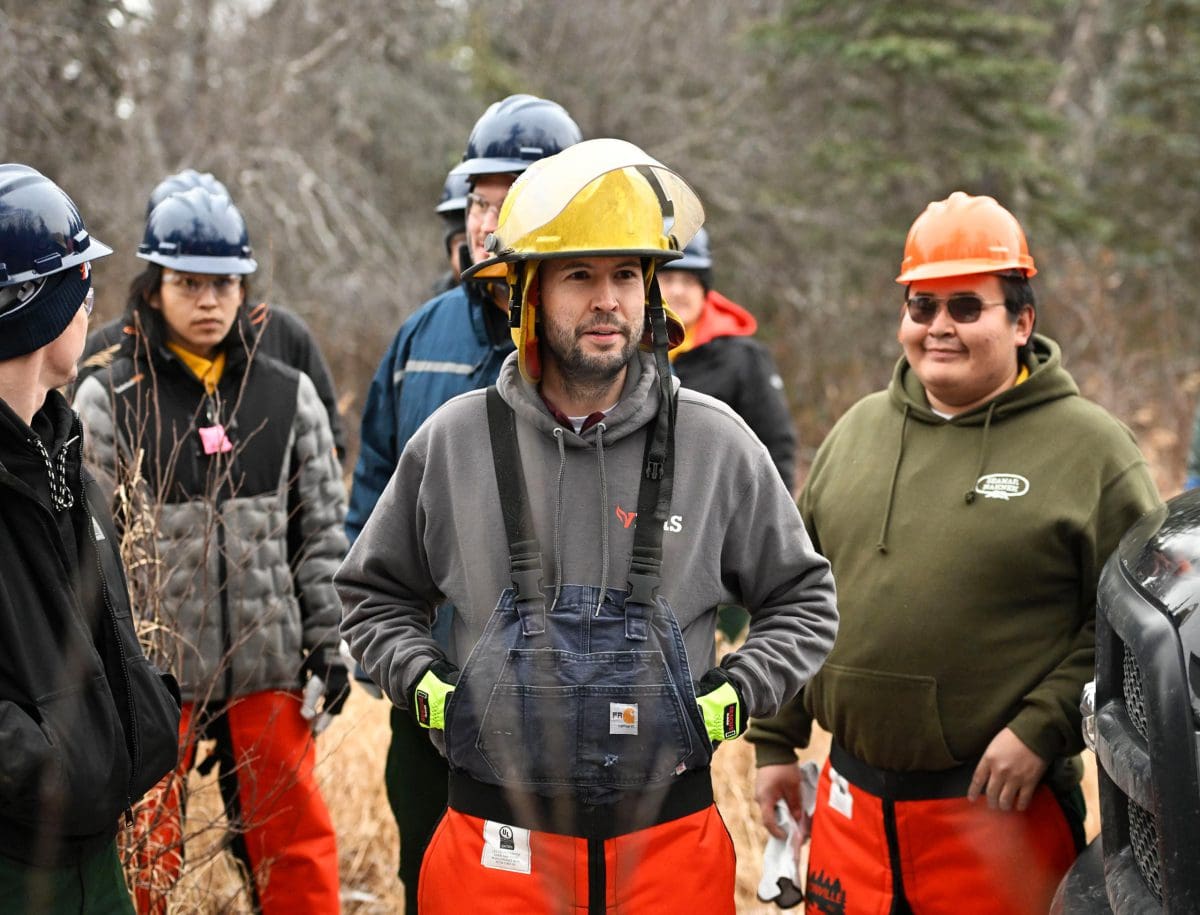
Fire Adapted Alaska aims to create fire-resilient communities.
By integrating community-driven solutions, scientific innovation, and Indigenous knowledge, Fire Adapted Alaska works to safeguard lives, infrastructure, and our environment.
Alaska’s unique landscapes and ecosystems make it particularly vulnerable to the growing threat of wildfires. With longer fire seasons, more intense burns, and increasing risks to rural and urban communities, it is critical to take proactive steps toward resilience.
Get Involved
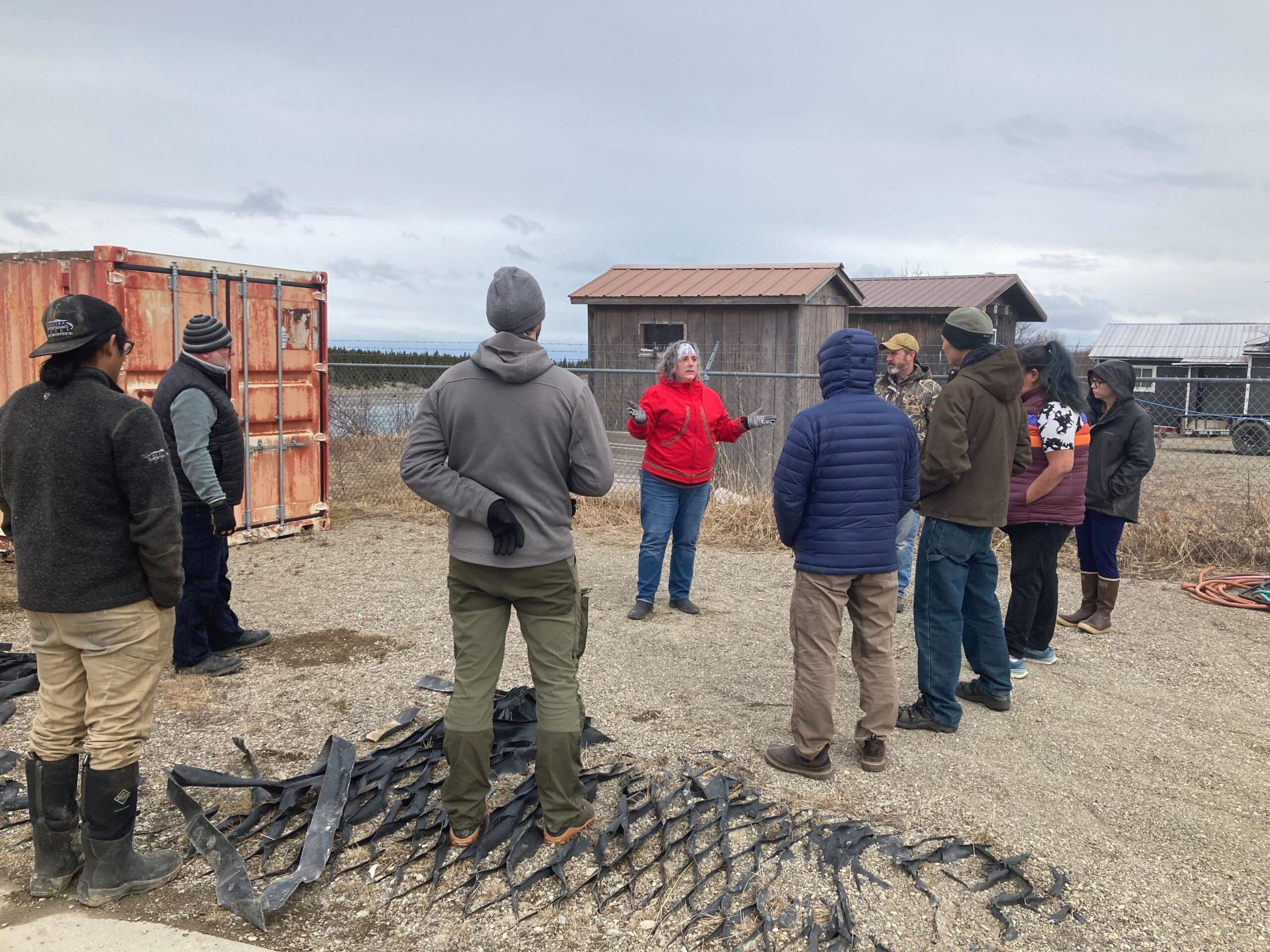
Sign up for Alaska wildfire resilience updates.
You can unsubscribe at any time.